Pinmi
Get a Quote
Pinmi
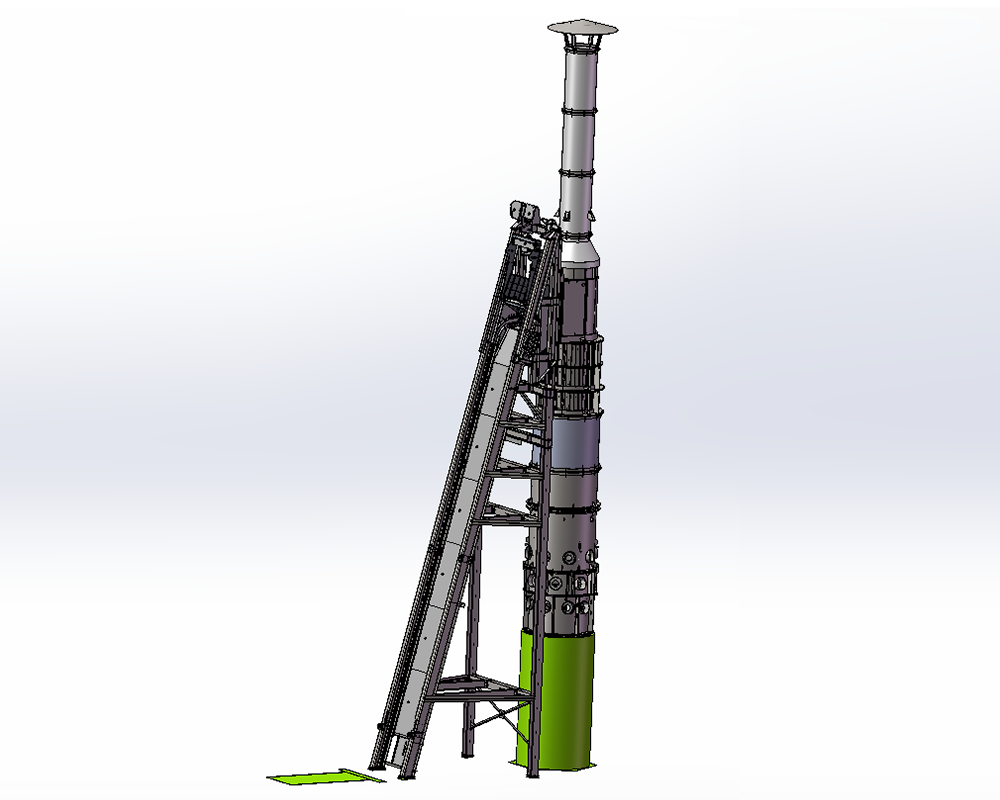
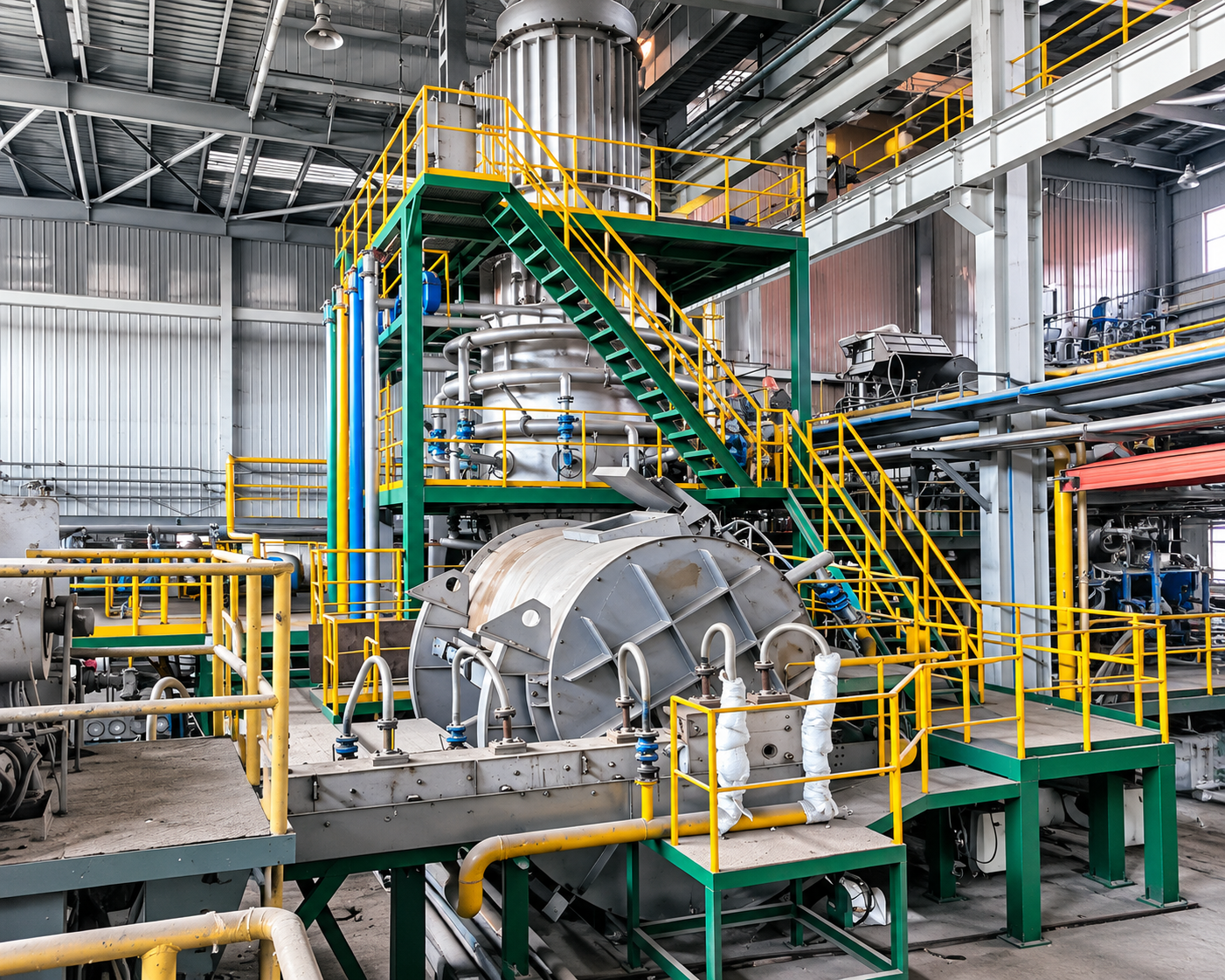
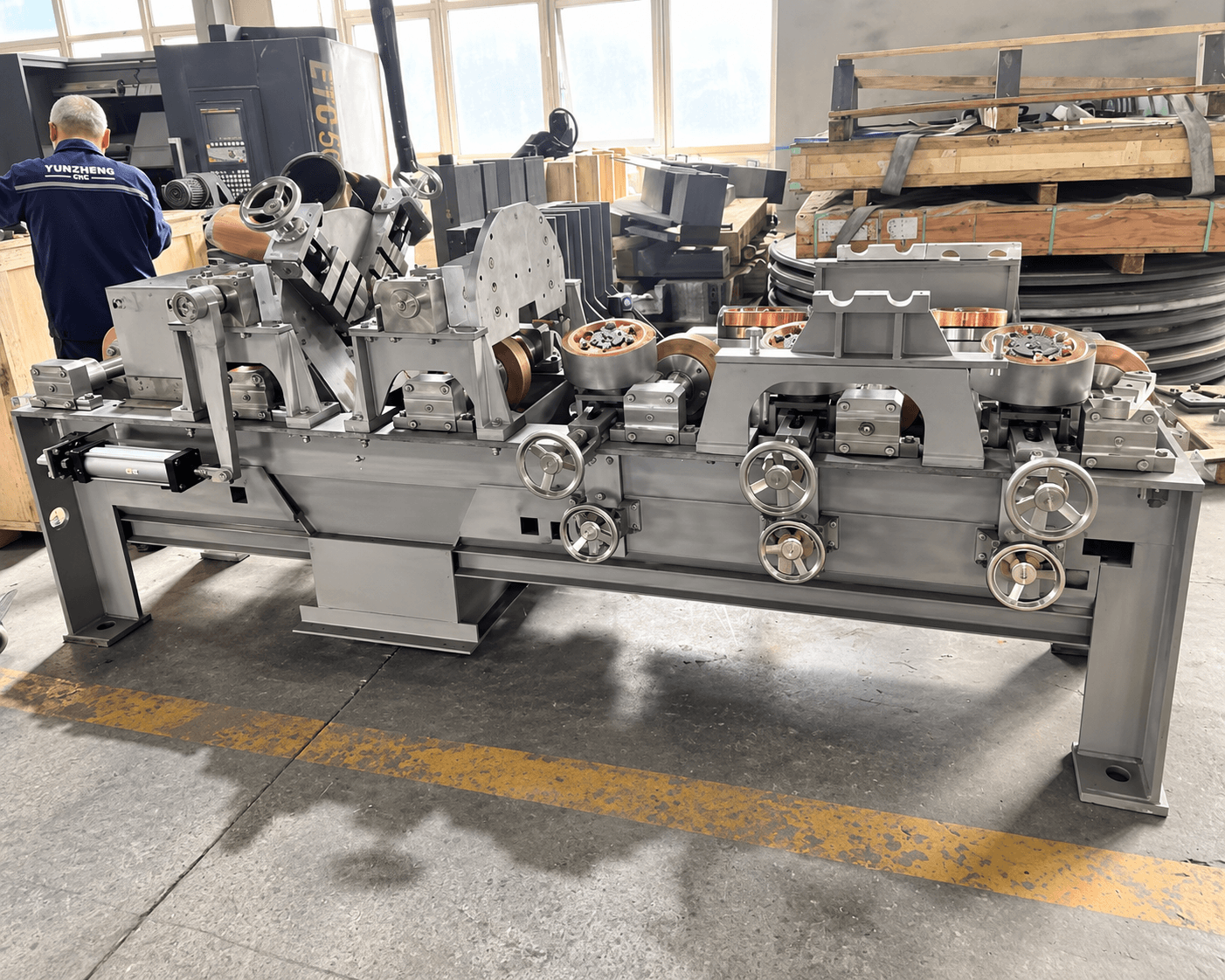
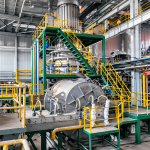
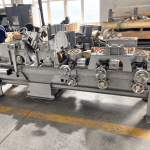
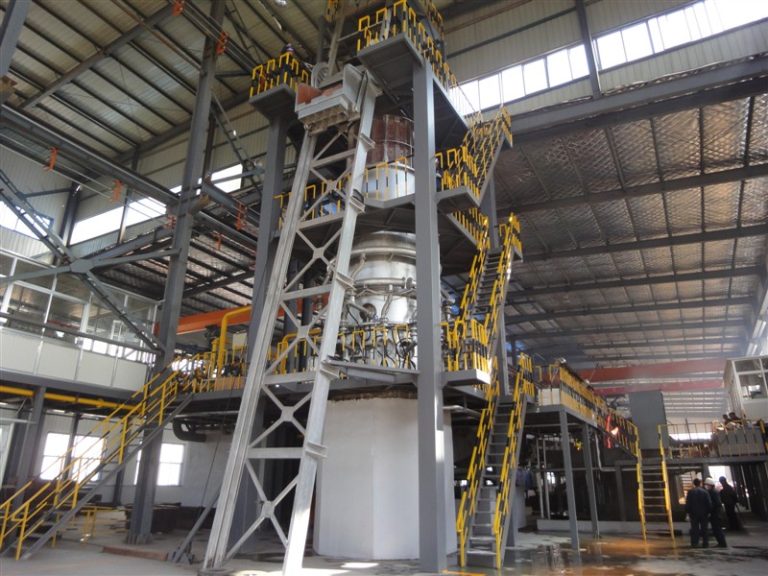
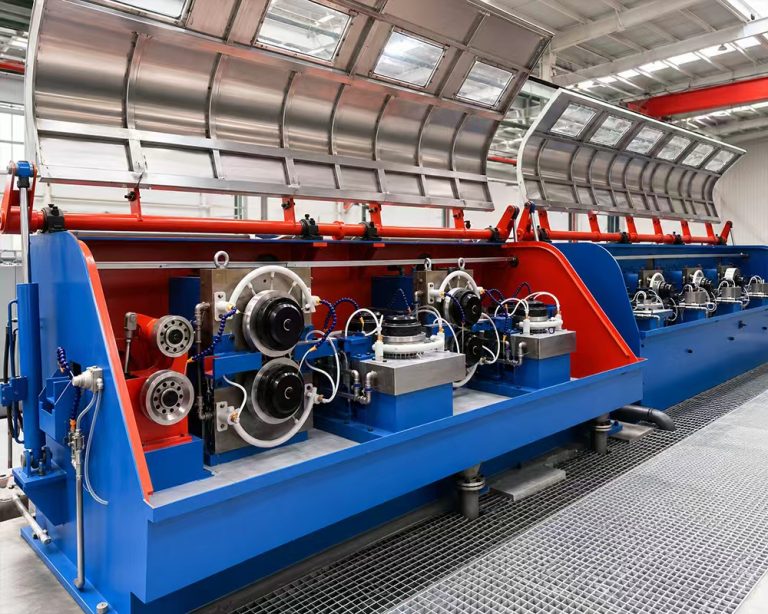
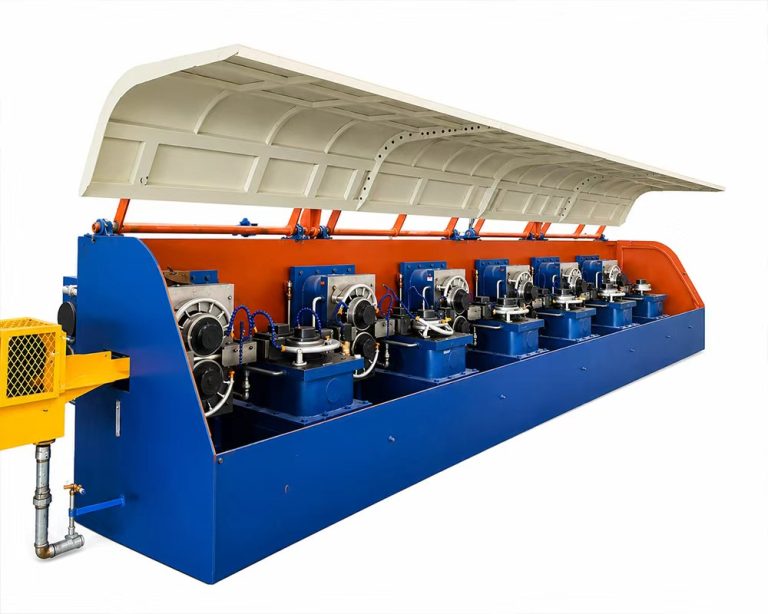
The rolling section uses an 11-stand rolling mill, including one 412 mm roughing stand, two 305 mm roughing stands and eight 204.5 mm finishing stands. The system is designed around a 5430 mm² copper cast bar and a 2440 mm casting wheel, providing a continuous process route from molten copper to finished 8mm copper rod.
For copper rod manufacturers planning a new plant or upgrading an existing CCR facility, PINMI can configure the production line according to target capacity, raw material, plant layout, utilities and final rod requirements.
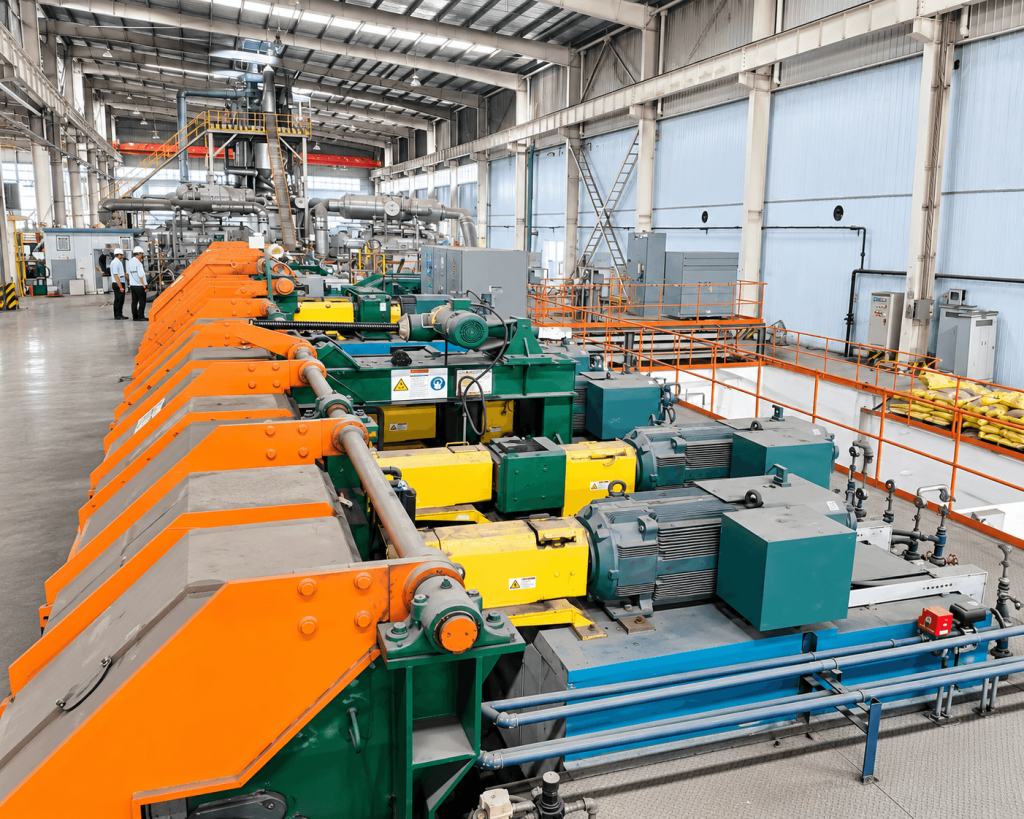
Designed for approximately 35 tons per hour, the line is suitable for large-scale copper rod plants requiring continuous industrial production. The process combines casting, rolling, cleaning, cooling and coiling to reduce intermediate material handling and maintain coordinated production from molten copper to finished rod.
The line is designed to produce Φ8mm low-oxygen bright copper rod, a commonly used feedstock for downstream wire and cable production. Stable casting conditions, controlled rolling and coordinated cooling help provide the process consistency required for subsequent wire drawing and conductor manufacturing.
The continuous caster converts molten copper into a solid cast bar suitable for hot rolling. Its casting system incorporates the casting wheel, steel belt, drive system, cooling zones, pouring system and billet handling equipment. Zoned cooling allows the mold temperature distribution to be controlled during solidification.The long steel-belt arrangement is designed to extend belt service life and reduce replacement frequency, while the casting wheel and belt structure allows easier maintenance and replacement.
The caster is driven by an AC variable-frequency motor, with the casting speed coordinated through the control system. Automatic cast-bar loop control between the caster and rolling mill helps maintain stable material flow, improve process consistency and reduce the operator workload during continuous production.
The casting wheel and steel belt use distributed cooling-water pipes and cooling zones. Water flow can be adjusted by zone, allowing operators and the control system to manage mold temperature distribution according to actual casting conditions. This is important for maintaining stable solidification before the cast bar enters the rolling section.
After rolling, the copper rod passes through dedicated downstream treatment systems for cleaning, cooling and waxing before coiling. These sections are integrated with the rolling process to prepare the finished rod for handling, storage and downstream wire-processing operations. The reference engineering design includes an acid-free cleaning line as well as copper rod cleaning, cooling and waxing equipment.
Key equipment is designed for continuous copper rod production, with attention to equipment accessibility, replaceable wear components and maintenance requirements. For example, the rotary shear uses a heavy-duty structure and automatically cuts the cast bar when required during startup or abnormal rolling conditions, helping maintain casting continuity while the rolling section is cleared.
The caster is driven by an AC variable-frequency motor, with the casting speed coordinated through the control system. Automatic cast-bar loop control between the caster and rolling mill helps maintain stable material flow, improve process consistency and reduce the operator workload during continuous production.

Production of 8mm copper rod for subsequent drawing into electrical wire and cable conductors.

Suitable for dedicated copper rod factories requiring high-capacity continuous casting and rolling production.

Provides copper rod feedstock for conductor drawing, bunching, stranding and other downstream processing.

Suitable as an upstream copper rod production system for plants manufacturing low-, medium- and high-voltage power cables.

8mm copper rod can be further drawn into copper wire used in building and electrical wiring applications.

Suitable for integrated non-ferrous metal plants combining copper melting, casting, rolling and downstream wire processing.
|
Parameter |
Specification |
|---|---|
|
Product |
Low-Oxygen Bright Copper Rod |
|
Finished Rod Diameter |
Φ8 mm |
|
Designed Production Capacity |
35 TPH |
|
Nominal Annual Production |
220,000 TPY |
|
Cast Bar Cross Section |
5430 mm² |
|
Casting Wheel Diameter |
2440 mm |
|
Rolling Mill |
11 Stands |
|
Roughing Mill Configuration |
1 × 412 mm + 2 × 305 mm |
|
Finishing Mill Configuration |
8 × 204.5 mm |
|
Coil Outer Diameter |
1600 mm |
|
Coil Inner Diameter |
800 mm |
|
Coil Weight |
2–4 Tons |
The 8mm copper rod CCR line combines multiple process stations into one continuous production system.
Converts molten copper into a continuously formed copper cast bar with controlled solidification and cooling.
Cuts off-specification cast bar during startup or abnormal operating conditions and transfers the cut material to the scrap handling area.
Used for cutting and clearing cast bar in the casting and billet-handling area and for assisting with removal of partially rolled scrap.
Guides and prepares the solidified copper cast bar before it enters the main rolling process.
Performs the initial reduction of the cast bar and prepares the material for subsequent finish rolling.
Provides intermediate cutting and material discharge capability between rolling stages.

Completes progressive reduction to the specified 8mm finished copper rod.

Removes surface contamination from the rolled copper rod as part of the downstream finishing process.
Controls rod cooling and surface treatment before the finished material enters the coiling section.
Forms the finished copper rod into coils for handling, transportation and downstream processing.
Transfers material between coordinated sections of the production line.
Provides dedicated lubrication and emulsion circulation for the roughing and finishing rolling sections.
Coordinates production equipment, drives and process control across the CCR line.
|
Parameter |
Specification |
|---|---|
|
Copper Cast Bar Cross Section |
5430 mm² |
|
Casting Wheel Diameter |
2440 mm |
|
Pouring Angle |
45° |
|
Steel Belt Length |
36 m |
|
CAST Acetylene Control Panels |
3 |
|
Caster Drive Motor |
7.5 kW AC Variable-Frequency Motor |
|
Pinch Roll Drive |
7.5 kW AC Variable-Frequency Motor |
|
Launder Positioning |
4-Axis with Pneumatic Motor and Remote Control |
|
Caster Movable Platform |
Movable Type, 2.2 kW Motor |
Unlike a standalone rolling mill, the complete copper continuous casting and rolling line is engineered as an interconnected production system. Casting speed, billet handling, rolling conditions, cooling and downstream coiling need to work together to maintain stable continuous production.
For this reason, PINMI can engineer the CCR line around the buyer's required output, plant conditions and downstream copper rod application rather than supplying individual machines without process coordination.
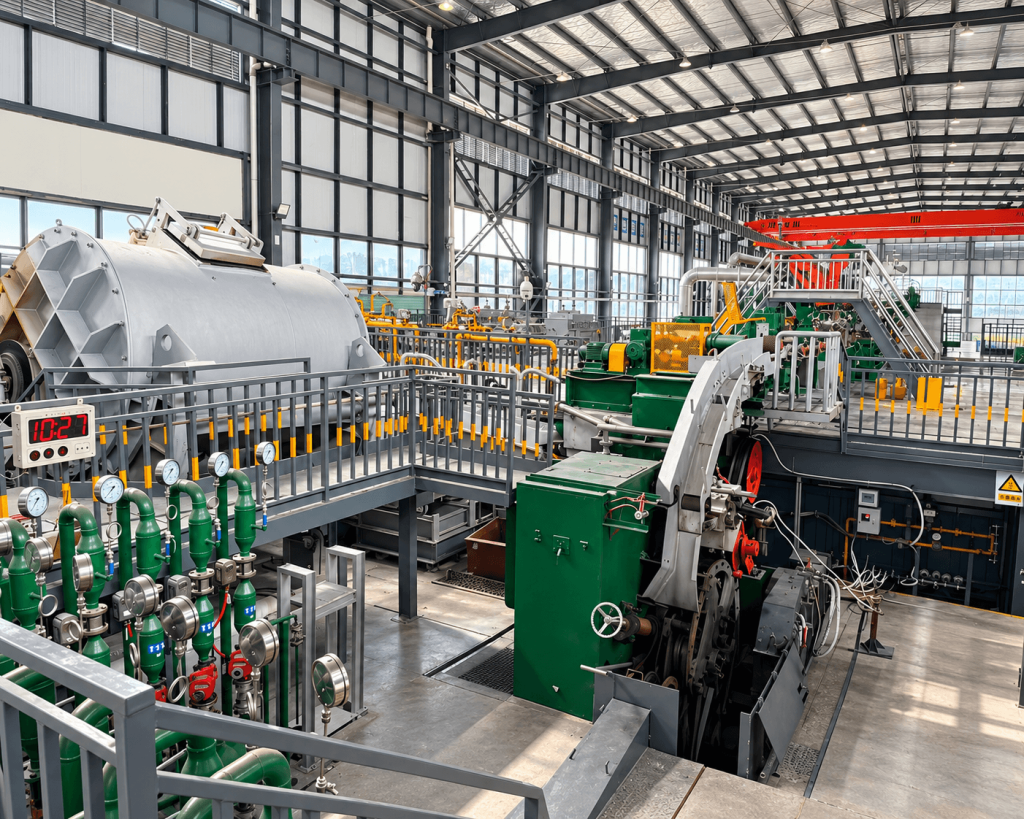
Every copper rod project has different requirements for production capacity, plant layout, utility conditions, raw materials and downstream wire production.
PINMI can configure the line according to:

Required annual and hourly production capacity

Finished copper rod diameter

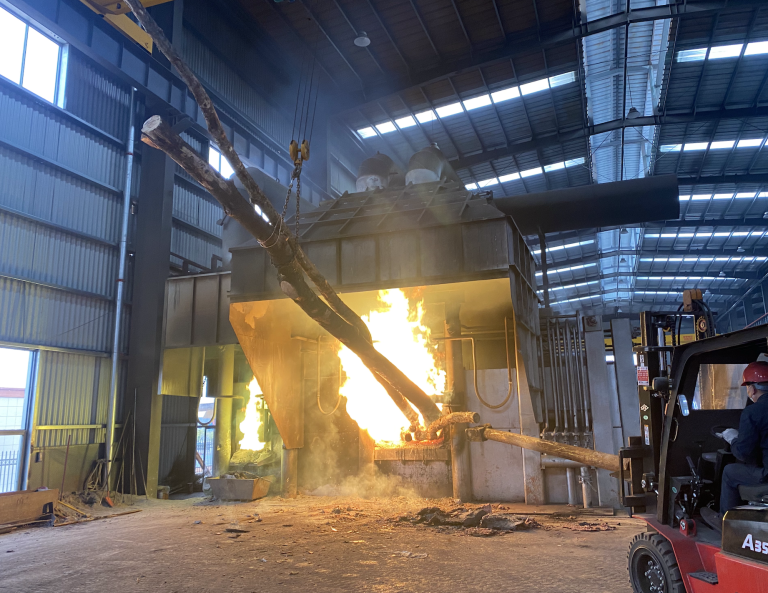
Raw material and melting process

Available workshop dimensions
Furnace and casting configuration
Rolling mill arrangement
Cooling and process-water conditions
Electrical standards and power supply
Coil size and coil weight
Automation requirements
Installation and commissioning scope
Planning a new 8mm copper rod production line or upgrading an existing CCR plant?
Send us your target annual capacity, required rod specification, raw material, available workshop layout and local utility conditions. Our engineering team can develop the process route, equipment configuration and project scope around your production requirements.
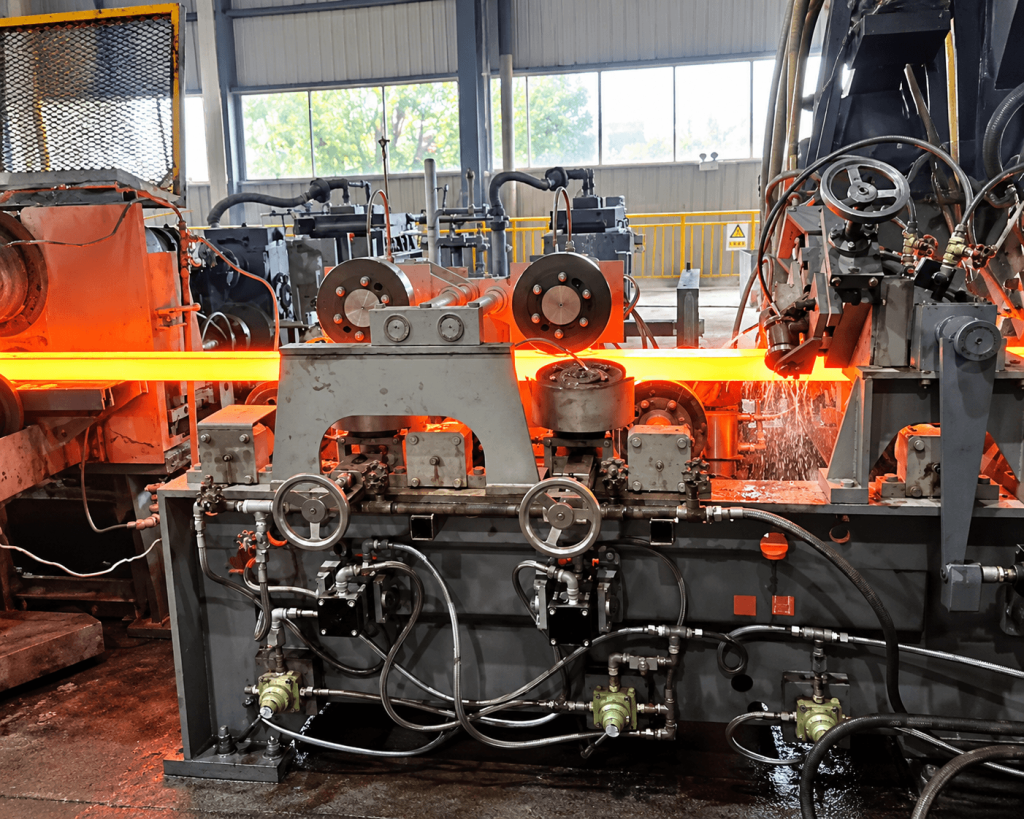
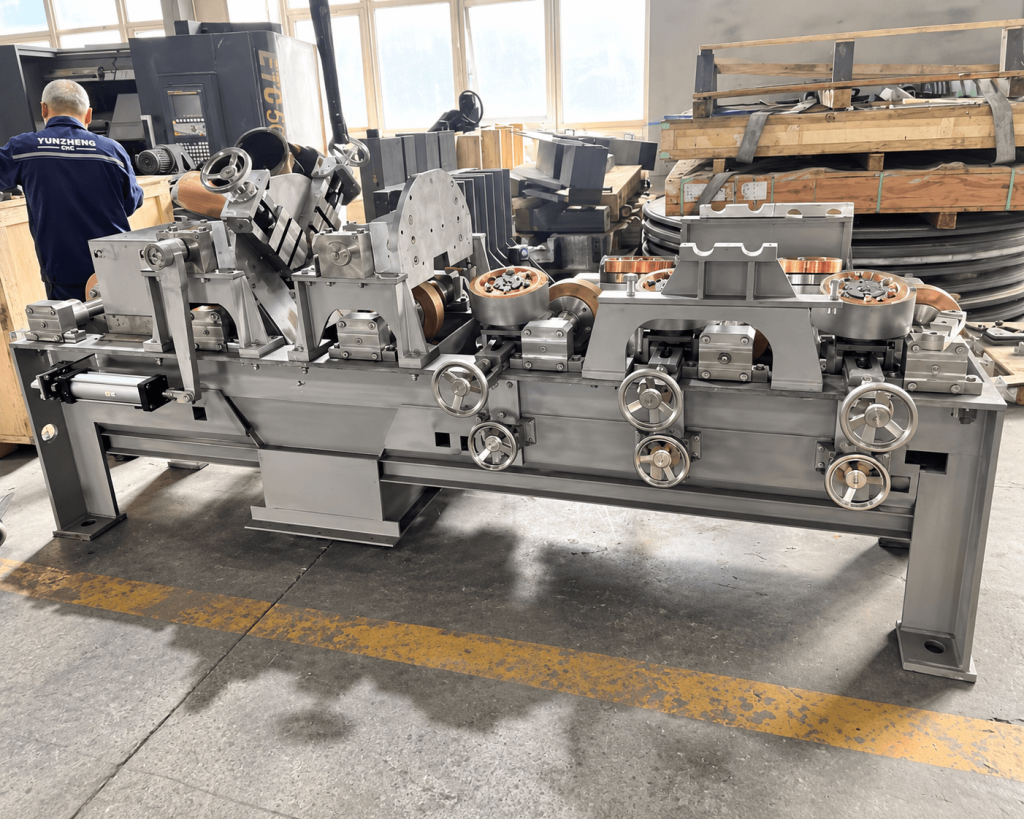
Check our FAQs below, or reach out to our team for tailored answers and project quotation.
Get a Quote
Share your capacity, raw material and site conditions — we'll come back with a process route, equipment selection and a turnkey path to production.


No.310–311 National Road, Quanshan District, Xuzhou City, China